
Multifamily Renovation Costs: Where the Market Is Headed by the End of 2026
February 27, 2026
Historic St. Petersburg Property Converted Into Multifamily Housing
March 6, 2026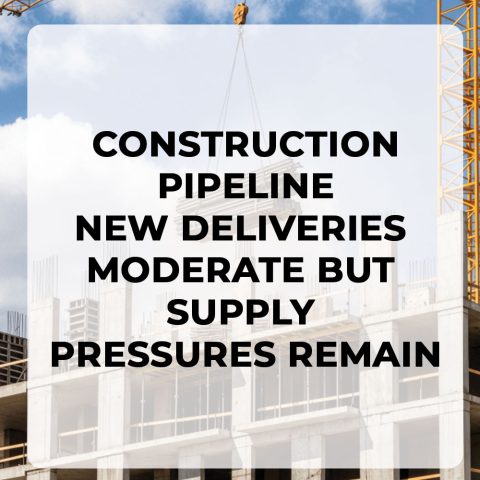
Multifamily New Deliveries Slow in 2026 But Lease Up Backlog & Ongoing Construction Continue To Shape Market Performance
The construction pipeline has been one of the most influential forces shaping multifamily performance over the past several years. Since 2020, annual deliveries have remained historically elevated, reaching a peak of nearly 600000 units in 2024.
At the start of last year, many expected a meaningful slowdown in deliveries by 2026 and an even sharper pullback in 2027. As 2025 progressed, however, that outlook shifted. Entering 2026, it is clear that new construction will continue to play a major role in multifamily performance in the near term.
A Large Backlog of Lease Up Units
When discussing supply, most attention is given to projects still under construction. Equally important are the communities that have recently delivered and are still working toward stabilization.
Nationwide, roughly 740000 units have begun leasing but have not yet reached stabilized occupancy. That lease up inventory creates a highly competitive environment for both existing properties and communities preparing to deliver this year.
Half of that national lease up backlog is concentrated in just fifteen markets. Twelve of those markets are located in the Sunbelt, which has led the country in new development activity over the past five years.
This backlog will continue to influence rent performance in 2026. National occupancy has remained below its typical range since early 2023. Although net absorption has steadily improved from its 2022 low point, effective rent growth continues to face pressure.
Concessions remain a key factor. Lease incentives have limited effective rent gains across many markets. A broad reduction in concessions would support stronger rent performance, but properties still in lease up and new communities entering the market are unlikely to lead that shift in the short term.