
How Multifamily Interior Renovations in Texas Can Improve Your Property in 2027
October 20, 2026
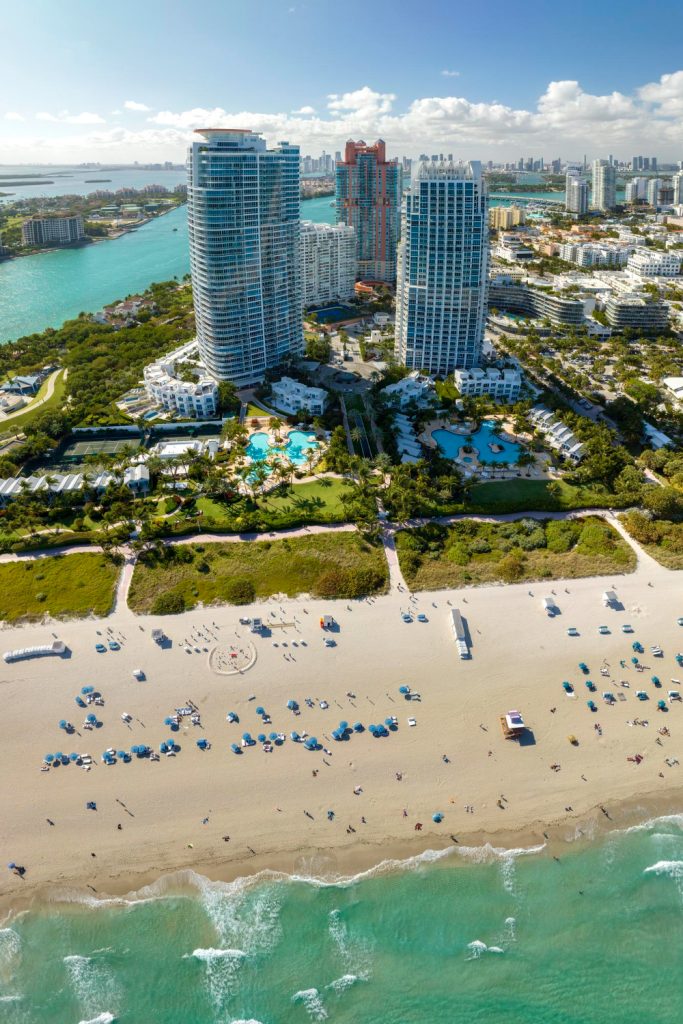
How Multifamily Interior Renovations in Florida Can Improve Your Property in 2027
Florida’s multifamily housing market continues to evolve as property owners, management companies, and real estate investors prepare for new opportunities and challenges in 2027. With changing renter expectations, increasing competition among apartment communities, and the ongoing need to maintain aging properties, strategic interior renovations have become an important investment for protecting property values and improving long term performance.
For multifamily property owners and Capital Expenditure (CapEx) managers, interior renovations are no longer simply about improving appearance. They are about maximizing rental revenue, strengthening market competitiveness, reducing future maintenance expenses, and extending the useful life of existing assets. Whether a property is located in Tampa, Orlando, Jacksonville, Miami, Fort Lauderdale, or another growing Florida market, well planned renovations can help apartment communities remain attractive to prospective residents while supporting ownership's financial objectives.
As Florida's multifamily industry moves into 2027, property owners who prioritize interior improvements may be better positioned to compete with newer developments, improve operational efficiency, and maintain the long term value of their investments.
Modernizing Aging Multifamily Properties in Florida
Many established apartment communities throughout Florida were constructed decades ago and now face increasing pressure to compete with newer developments offering modern interiors, upgraded amenities, and energy-efficient features. While these older properties may benefit from established locations and mature communities, outdated kitchens, bathrooms, flooring, lighting, and mechanical systems can make attracting new residents more challenging.
Strategic multifamily interior renovations allow owners to modernize existing apartment units without the significant expense of developing an entirely new property. Improvements such as updated cabinetry, laminate countertops, contemporary flooring, modern lighting, and refreshed bathrooms can dramatically improve the appearance and functionality of an apartment.
For property managers and CapEx teams, these improvements also create an opportunity to address aging building components before they lead to more expensive repairs. Coordinating interior renovations with plumbing, electrical, and HVAC improvements can help reduce repeated construction work while improving the overall condition of the property.

Increasing Rental Revenue Through Strategic Interior Renovations
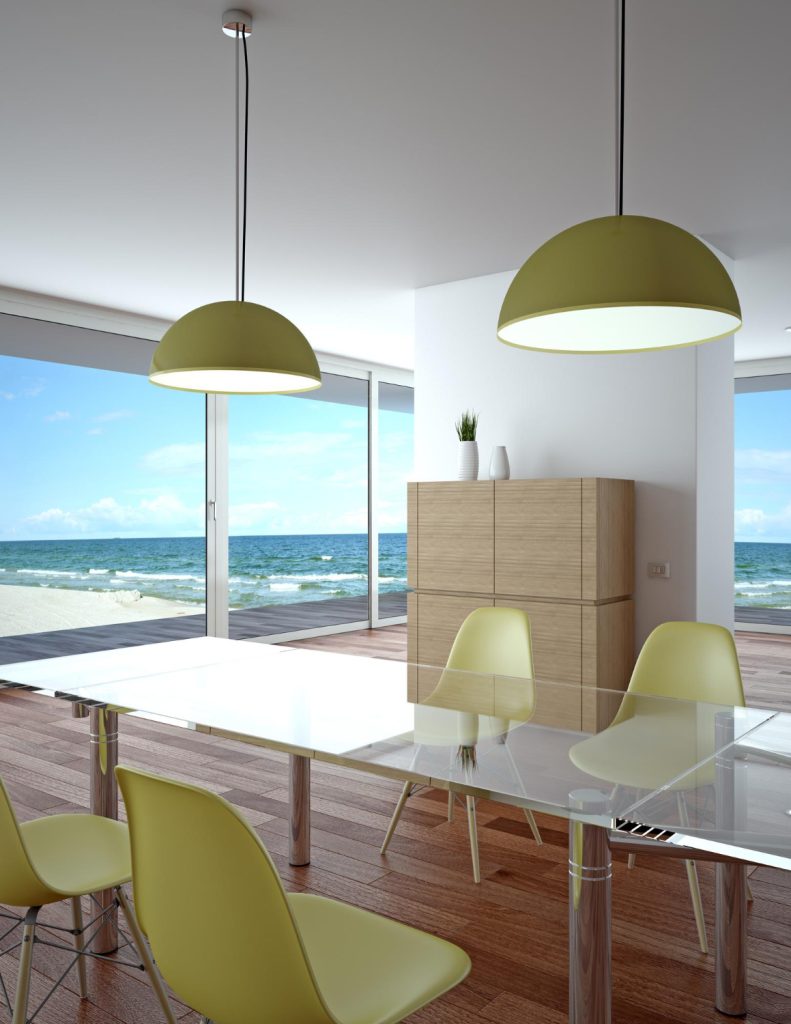
One of the primary objectives of multifamily interior renovations is to strengthen a property's income-producing potential. In competitive Florida rental markets, renovated apartment interiors can provide a meaningful advantage when prospective residents compare available units.
Modern kitchens, updated bathrooms, durable flooring, and improved lighting can make an apartment more appealing while helping ownership justify competitive rental pricing. However, successful renovation strategies require more than selecting attractive finishes. Property owners must carefully evaluate renovation costs, local rental demand, competing communities, and the potential return on investment.
A targeted renovation program can help owners focus their capital budgets on improvements that deliver the greatest value. Instead of renovating every feature simultaneously, CapEx managers may prioritize kitchens, bathrooms, flooring, and other high-impact areas based on property conditions and market expectations.
When properly planned and executed, interior renovations can contribute to stronger leasing performance, improved rental positioning, and increased property value over time. Actual financial results will depend on market conditions, renovation costs, achievable rents, and occupancy performance.
Improving Apartment Kitchens and Bathrooms for 2027
Kitchens and bathrooms remain among the most influential interior spaces when prospective residents evaluate apartment homes. Outdated cabinetry, worn countertops, aging fixtures, and deteriorating flooring can make an otherwise well-maintained apartment appear less desirable.
For Florida multifamily properties preparing for 2027, kitchen renovations may include replacing cabinets, installing laminate countertops, upgrading lighting, updating plumbing fixtures, and improving flooring. These enhancements can create a more contemporary living environment while allowing ownership to maintain consistent design standards across multiple apartment units.
Bathroom renovations can provide similar benefits through updated vanities, modern fixtures, improved lighting, refreshed surfaces, and necessary plumbing improvements. Selecting durable materials suitable for frequent apartment turnovers can also help reduce ongoing maintenance requirements.
For large multifamily communities, consistency is especially important. Standardizing cabinetry, countertops, fixtures, and flooring materials across renovation programs can simplify purchasing, support predictable budgets, and make future repairs more manageable.
Reducing Maintenance Costs Through MEP and HVAC Improvements
Interior renovations provide an opportunity to address more than cosmetic improvements. Mechanical, electrical, and plumbing systems play an essential role in the long-term performance of multifamily properties, particularly in Florida's hot and humid climate.
Aging plumbing systems, outdated electrical components, and inefficient HVAC equipment can contribute to increased maintenance expenses and unexpected disruptions. When these systems are evaluated alongside interior renovation plans, property owners can identify opportunities to improve reliability and reduce future repair costs.
Plumbing upgrades may involve replacing aging supply lines, updating fixtures, or coordinating repiping projects. Electrical improvements can include modern lighting, updated connections, and other necessary system modifications. HVAC improvements may help maintain indoor comfort and improve energy performance when appropriately designed and installed.
For CapEx managers overseeing multiple communities, combining these services under a coordinated renovation strategy can improve scheduling, reduce unnecessary duplication of work, and create greater consistency across projects.
Maximizing Renovation Efficiency During Apartment Turnovers
For multifamily property managers, one of the greatest challenges associated with interior renovations is managing construction schedules while limiting the amount of time apartment units remain unavailable for leasing.
Every additional day a vacant apartment remains under renovation represents a potential loss of rental revenue. This makes efficient scheduling, material availability, and experienced project management essential to a successful renovation program.
By coordinating renovations in vacant apartment units, property owners can complete necessary improvements before new residents move in. Preplanned construction schedules, organized material deliveries, and clearly defined scopes of work can help reduce delays and improve project predictability.
Working with an experienced multifamily renovation contractor also allows property managers to coordinate multiple renovation activities, including cabinetry, countertops, flooring, painting, drywall, plumbing, electrical work, and HVAC services.
For ownership groups managing large portfolios throughout Florida, an organized renovation process can help accelerate apartment readiness while maintaining consistent workmanship across properties.
Preparing Your Florida Multifamily Property for a Stronger 2027
The outlook for 2027 presents opportunities for Florida multifamily property owners willing to invest strategically in their existing communities. Although rental market conditions vary across the state, industry research indicates that new apartment supply is beginning to moderate following several years of elevated construction activity. This transition may help improve market balance, although rental competition and leasing concessions remain important considerations.
For property owners, CapEx managers, and management companies, the priority should be developing renovation strategies that improve apartment interiors, address aging infrastructure, control construction costs, and support long-term investment performance.
Think Construction Services is ready to help Florida multifamily property owners prepare for 2027 and beyond. From modernizing apartment interiors to coordinating comprehensive MEP and HVAC improvements, our experienced team delivers renovation solutions designed to improve property performance and maximize rental revenue opportunities.
Visit www.thinkconstructionservices.com to learn more about our multifamily interior renovation services and discuss your upcoming Florida renovation projects.