Interior Renovations with Multifamily Properties Brings Structure to Housing Demands and Jobs During Covid-19
October 15, 2020
Think Construction Services takes Precautions During Covid 19 for Staff and Residents
January 8, 2021
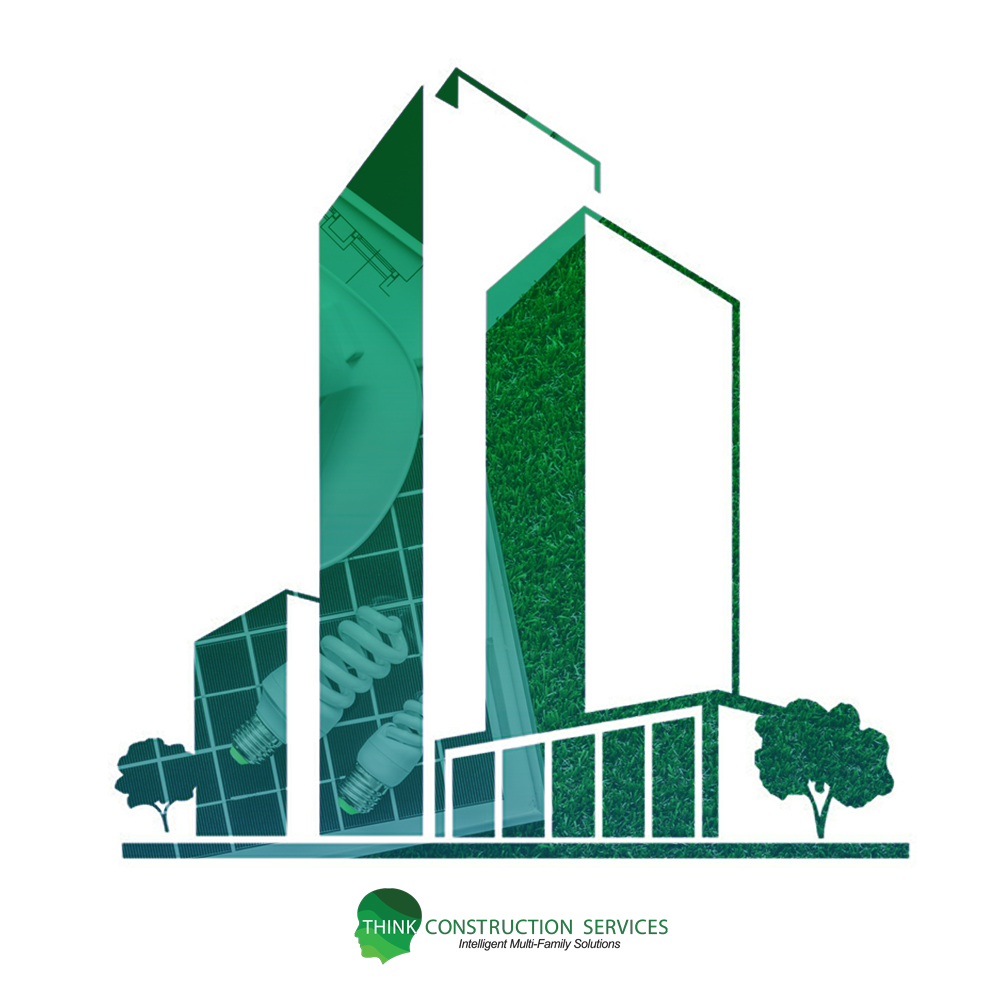
How Energy-Efficient Renovations Drive Value in Multifamily Redevelopments
Value-add redevelopments are no longer limited to cosmetic upgrades or amenity refreshes. Today’s most successful multifamily developers are incorporating strategic renovations that reduce long-term operating costs—particularly through improvements that lower water and energy consumption. These upgrades not only improve a property’s sustainability profile, but also create measurable financial upside.
Savvy developers focus on renovations that deliver the fastest return on investment while enhancing asset value. The goal is to strike a balance between upfront capital expenditures and ongoing savings from reduced utility bills and more favorable financing terms. When executed correctly, energy- and water-efficient upgrades can improve net operating income while positioning a property more competitively in the market.
Water-saving improvements, such as low-flow fixtures, high-efficiency toilets, smart irrigation systems, and submetering, tend to pay for themselves quickly. These upgrades are relatively affordable to implement and can produce immediate reductions in water usage—an especially important consideration in markets where utility costs continue to rise. In many cases, the savings realized can offset the renovation costs within a short time frame.
Energy-focused improvements often require a larger initial investment but can deliver significant long-term benefits. Upgrades such as energy-efficient HVAC systems, improved insulation, LED lighting conversions, and solar installations can dramatically reduce energy consumption over time. While more capital-intensive, these improvements may provide durability against rising energy costs and appeal to increasingly eco-conscious residents.
Beyond utility savings, sustainability-focused renovations can unlock access to preferred financing options. Borrowers who commit to reducing water and energy usage by at least 30 percent may qualify for Fannie Mae and Freddie Mac’s highly sought-after Green Lending programs. These programs reward efficiency-focused investments with interest rate reductions of up to 30 basis points compared to conventional financing—creating meaningful savings over the life of a loan.
For developers pursuing value-add strategies, the takeaway is clear: energy- and water-efficient renovations are no longer just environmentally responsible choices—they are smart financial decisions. When thoughtfully selected and properly executed, these upgrades can lower operating expenses, improve financing terms, and enhance the long-term value of multifamily assets.